
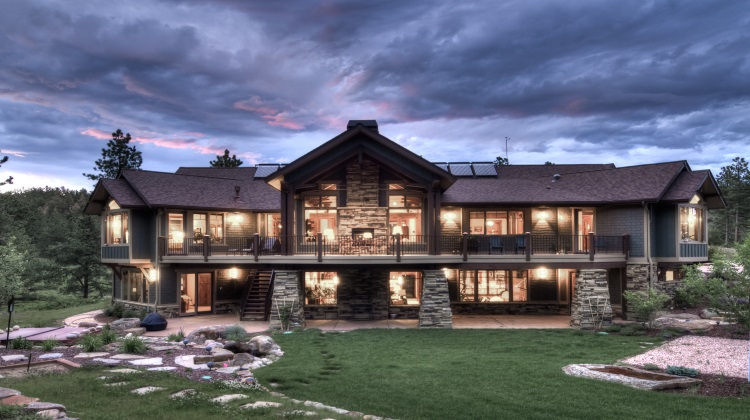
Top ceiling fans for outdoor covered patios and porches
An outdoor ceiling fan can make a covered patio as comfortable as an extra living room. Unlike an indoor model, it must cope with humidity, UV exposure, dust, insects and, near the coast, salt. The right choice starts with the manufacturer’s environmental rating, not the finish on the blades.
Australian conditions make that distinction important. Brisbane can be humid, Melbourne verandahs shift from warm afternoons to damp evenings, Perth homes face intense sun, and Sydney often brings salty sea air. Covered outdoor rooms are familiar in daily life, used for alfresco meals, weekend barbecues and children’s homework after school.
Choosing an outdoor ceiling fan means matching airflow to the room, ceiling structure and exposure. A porch under a sealed roof has different needs from an open-sided verandah beside a pool. Diameter, blade material, motor noise, lighting and controls all shape comfort.
Installation matters too. A beautiful fan that shakes, overheats or is wired incorrectly will spoil the space faster than a simple model with the right coverage. This guide compares outdoor-rated options, Australian electrical expectations and features that suit how households use their patios.
Start with the right outdoor rating
Begin with a fan explicitly described as outdoor-rated or damp-rated for covered use. Calling a product a weather-resistant ceiling fan is too vague; check the specification sheet for the permitted environment, moisture rating and any IP protection rating. The fan must suit the ceiling height and supplied mounting box. The winterising outdoor taps guide helps with another exposed patio essential: protecting taps and sprinklers in cooler months.
Even under a roof, condensation, dust and insects can reach the motor housing. Coastal salt can corrode screws and metalwork, while strong Queensland or Western Australian sunlight can degrade plastic and cables. Seek corrosion-resistant finishes, sealed wiring and UV-stable blades. Near a pool or garden, easy-to-clean blades and accessible fasteners are more useful than a delicate timber-look finish.
Match airflow to the patio
Measure before choosing a diameter. A compact porch fan around 900–1200 mm often suits a small verandah, while a broad entertaining area may suit a 1200–1400 mm model or two carefully spaced smaller fans. Compare stated airflow, blade sweep and sound rather than diameter alone, and check clearance from walls, lights and furniture.
A patio fan moves air over skin and helps moisture evaporate, improving comfort without lowering the actual temperature. It works well on hot, still evenings in Adelaide or Perth, but cannot remove warm air trapped under a low roof. In humid weather, combine it with open doors, cross-ventilation and shade rather than expecting air-conditioning-like cooling.
Choose blades, motors and controls
Four- or five-blade fans usually move plenty of air quietly for everyday use, while three-blade designs can feel stronger at lower settings. Outdoor-grade ABS and sealed composite blades resist humidity and are easy to maintain. Timber-look blades can suit a verandah, but only when both the finish and motor are approved for the exposure.
Reversible motors are useful in cooler months, although a covered porch still needs sensible layers. Integrated LED lights save a separate fitting and suit many Australian renovation plans; check colour temperature, dimming compatibility and outdoor rating. Compare remote, wall and app controls for simplicity, range and service support rather than novelty.
DC motors are often quiet and energy-efficient, while induction motors can deliver strong, smooth airflow. Read the decibel rating, warranty and replacement-part availability, especially near the coast or in regional areas where repairs take longer. A retailer with a clear returns policy helps because fans are often judged by sound and movement in person.
Compare the leading choices
The strongest pick for a narrow verandah is a compact 900–1200 mm outdoor-rated model with remote control. For a family patio used every evening, choose a 1200–1400 mm four- or five-blade model. An integrated-light fan becomes the best option when a dining table needs illumination as well as airflow.
At coastal homes and beside pools, favour a commercial-style wet-rated fan with a sealed motor and robust blades; in exposed suburban settings, corrosion resistance matters. Australian buyers may encounter ranges from Hunter, Matthews and Egman, plus models sold through Australian lighting specialists. Verify each model’s rating because not every fan in a range is approved for every outdoor position.
For a shortlist, prioritise airflow for the room’s dimensions, a genuinely outdoor-rated motor, corrosion resistance and a warranty naming the intended environment. Add a light only if needed, and select controls everyone can operate. These choices usually offer more value than a premium finish that will face salt and dust.
Make the space work harder
Think beyond the fan. Position it over the dining table or main seating area, not at the patio’s edge, and use a warm dimmable light to extend evenings without glare. Outdoor rugs, washable cushions and a ceiling speaker can complete the room, but leave airflow room and keep hanging items away from the blades.
Australian households often use a covered patio for a barbecue, birthday party or tea while children play outside. For adults who enjoy a social game during a long summer evening, a beginner’s roulette guide explains basic wagers before a casual game; keep play lawful, within agreed limits and separate from safe fan use.
Install for Australian conditions
Check the ceiling structure, not just the fan’s weight. A fan needs secure fixing to a suitable joist or bracket, and old timber or metal boxes may need replacement. Adding a remote receiver or changing controls still needs to meet Australian electrical requirements. In many states, fixed wiring and new fan installations must be handled by a licensed electrician.
Ask the electrician to confirm the circuit, protective devices and exposed fittings, and check that the appliance suits Australia’s 220–240 V, 50 Hz supply. In a wet-prone patio, residual current device protection, correct earthing and safe isolation are essential; a remote does not make unsafe wiring safe. Specify an outdoor-rated light, sealed connectors and an accessible switch, keeping the isolator clear of stored furniture.
For balconies near bushland, follow local ember and fire-safety advice alongside the manufacturer’s instructions. Avoid combustible storage beneath the motor; an outdoor-rated appliance does not replace ember screening or fire prevention. Clear space around the blades also reduces insects and debris around the motor.
Keep it running cleanly
Outdoor motors encounter more dust, insects and moisture than indoor motors. Isolate the fan before cleaning, wipe the blades with a slightly damp cloth and remove debris from the housing. Check for looseness, vibration or corrosion, and follow the manual rather than spraying water into the motor or controls. A soft brush and mild cleaner usually handle routine care.
Keep maintenance items together so seasonal checks are quick. A DIY tool storage rack can hold screws, a screwdriver, spare light fittings and cleaning cloths in the garage, while a checklist records what to inspect. Keep detachable controls and spare fittings dry, and bring cushions or loose covers inside when the weather turns.
Before shopping, note the patio’s dimensions, ceiling height, exposure to rain and salt, and whether you want a light. Compare those details with each model’s installation and environmental ratings, then shortlist two or three suitable fans. Check warranties and noise ratings before purchase to avoid a costly mismatch.
With the right model, an outdoor ceiling fan becomes more than a moving decoration: it can make alfresco dinners, homework, conversation and quiet evenings more comfortable all year. Choose the fan, arrange a compliant installation and schedule regular cleaning so the covered patio stays a favourite part of the home.