
Smart Lighting Strategies for a Safer-Looking Home While Away
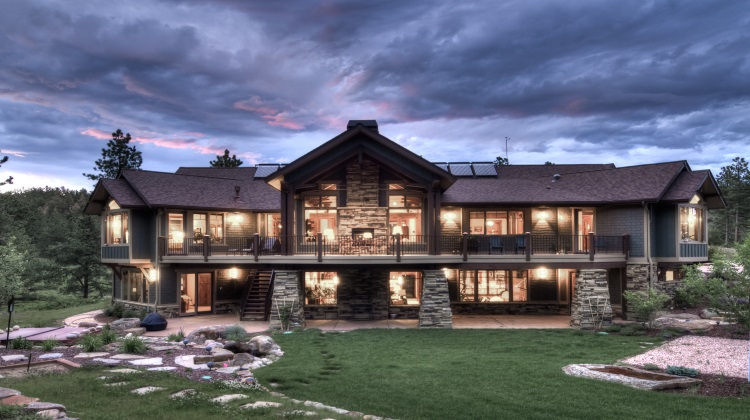
A dark house can look unoccupied, particularly when every light stays off for several nights. Smart lighting gives you a practical way to simulate presence when you are away by switching lamps and exterior fittings on and off according to realistic routines. The aim is to create the appearance of normal household activity without leaving lights burning around the clock.
A good setup does not need to be expensive or complicated. A few connected globes, smart plugs, motion sensors and a reliable app can cover the rooms visible from the street. For Australian homes, the plan should also account for strong summer daylight, daylight-saving differences between states and occasional internet or power interruptions.
Build A Believable Lighting Routine
Start by observing what your home looks like during an ordinary week. Which rooms are used after dinner? Does someone usually turn on a hallway lamp, kitchen pendant or television-area light? These details matter because a predictable pattern is less convincing than varied activity across several areas.
Use schedules that overlap and change slightly from night to night. A living-room lamp might switch on around sunset, while a bedroom light comes on later and turns off after an hour. A hallway or bathroom light can activate briefly through a motion sensor. Avoid switching every device on at exactly 6:00 pm and off at exactly 10:00 pm, since that can look automated.
Randomised schedules are useful, but randomness should remain realistic. A lamp that activates at 2:30 am may suggest a fault rather than an occupied home. Set a narrow time window, such as turning on between 6:15 and 6:35 pm, then vary the shut-off time by 10 to 30 minutes. If you are also planning holiday spending or casual entertainment while travelling, keep that budget separate from home-security costs; a practical bankroll guide explains why clear limits help with discretionary money.
Choose The Right Smart Devices
Smart bulbs are convenient for lamps and fittings with standard sockets, while smart plugs are often better for existing table lamps. A plug lets you retain a warm globe or decorative fitting you already like, and it can usually be moved to another room later. Check the plug’s load rating before connecting anything with a motor, heater or high-power transformer.
For outdoor areas, choose fittings rated for exposure to weather and heat. A connected porch light can make an entry appear active, but it should be installed in accordance with Australian electrical requirements. Fixed 240-volt wiring should be handled by a licensed electrician rather than treated as a weekend DIY project. Battery-powered or low-voltage garden lights are simpler options for some paths and planting beds.
Look for devices that support a dependable ecosystem, such as Matter, Zigbee or a well-supported Wi-Fi platform. Compatibility matters if you want one app to control lights, sensors and plugs. Before buying, confirm whether the device needs a separate hub, operates on your home’s Wi-Fi band and continues to follow schedules if the internet drops.
Use Sensors And Scenes With Care
A scene combines several actions into one command. An “away evening” scene might turn on a front-room lamp, a kitchen light and a porch fitting, while an “overnight” scene leaves only a low-level hallway light active. Scenes reduce the need to manage each device separately and make testing easier before you leave.
Motion sensors add useful variation in places such as an entry hall, laundry or side passage. Set a short activation period so a light does not remain on for hours after a possum, cat or passing branch triggers it. A sensor should support the main schedule rather than replace it, because total inactivity can still make the property appear vacant.
Curtains, televisions and blinds can strengthen the illusion, but they introduce extra points of failure. If you use a motorised blind, set it to open and close at sensible times rather than moving repeatedly. A smart plug connected to a radio or television should be used only if the appliance is designed to resume safely after power is restored. For more general home-upgrade guidance, the home lighting resource can help place connected controls alongside other household improvements.
Account For Australian Conditions
Sunset changes significantly across Australia, so fixed annual schedules quickly become inaccurate. In Sydney, Melbourne, Canberra and Hobart, daylight saving shifts evening light during the warmer months. Brisbane, Perth and Darwin do not observe daylight saving, so a schedule copied from another state may switch lights on while it is still bright. Use sunset-based automation where the platform supports it, then add a small offset for your street and home layout.
Summer heat is another consideration. A smart globe inside a sealed fitting may run hotter than its rated environment allows, while outdoor electronics can face intense sun, humidity or sudden storms. Follow the manufacturer’s temperature and installation guidance. In bushfire-prone areas, avoid creating unnecessary heat sources near dry vegetation, and make sure outdoor cables and fittings are protected from damage.
Power and broadband reliability deserve attention before a trip from Melbourne to the Gold Coast or a longer overseas holiday. Some systems keep local schedules in the hub, while others rely on cloud access. Test the arrangement by temporarily disconnecting the internet and checking whether the lights still operate. A trusted neighbour, friend or house sitter should know where the manual switches are and how to reset a device without disabling the whole routine.
Protect Privacy And Test The System
Use a separate, strong password for the lighting account and enable two-factor authentication when available. Keep device firmware and the control app updated, especially if the same account is used for cameras, alarms or door locks. Limit permissions for household members and remove access granted to visitors or contractors after the work is finished.
Smart lighting should support physical security rather than create a false sense of protection. A lit home may discourage casual observation, but it cannot prevent a break-in. Secure doors and windows, trim vegetation that blocks sightlines, and avoid posting real-time holiday updates publicly. If cameras are part of the setup, check their field of view and privacy settings so neighbouring properties and public areas are not unnecessarily recorded.
Run the complete routine for at least a week before leaving. Check the view from the footpath at night, confirm that lights are not glaring through bedrooms, and inspect whether any device drops offline. Replace weak batteries in sensors, label manual switches if needed and set a reminder to review the schedule when you return. If a ceiling fan is included in a room scene, fix any wobble first with this guide to balance a ceiling fan, rather than relying on automation to mask a mechanical problem.
Choose two or three visible lights, set varied sunset-based schedules, and test them under simulated internet and power interruptions before your next trip. With sensible device placement, privacy safeguards and a trusted local contact, smart lighting can make an empty Australian home look naturally lived in without wasting energy or creating a complicated system to maintain.