
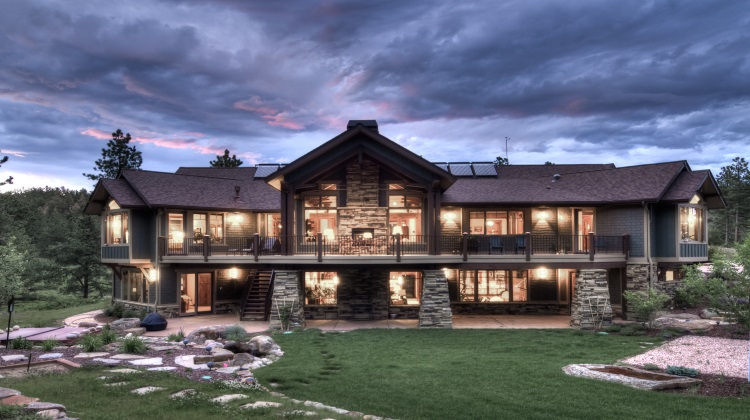
Choosing Outdoor String Lights for a Patio Ambiance That Lasts
Australians treat the backyard patio as a second living room, especially once the long December evenings roll in. From Friday night barbies in Adelaide to Sunday brunches in Brisbane, outdoor entertaining shapes how a home actually gets used for half the year. The right lighting is what turns a bare concrete slab or a tired timber deck into somewhere you want to linger after the sun drops.
String lights are the easiest way to soften that transition, casting a warm overhead glow across dining tables, lounge settings, and outdoor kitchens. You will see them strung across pergolas in Fremantle, looped along fences in Newtown, and dangling from exposed rafters in renovated Queenslanders. The result feels gentle on the eyes, works for both intimate dinners and bigger gatherings, and lets you keep the rest of the landscape lighting subtle.
The catch is that not every set sold in the local hardware aisle is built for Australian conditions. Coastal salt spray, fierce UV, sudden summer storms, and strict electrical safety rules all narrow the field quickly. A clear approach covering power source, weather resistance, brightness, and layout will save you from replacing a set after one wet season.
Sorting Out Voltage and Power Sources
Start by deciding how the lights will be powered, because each option changes installation effort, running cost, and visual flexibility. A 240V mains-connected string is the most reliable for permanent setups, particularly over a large deck or a long pergola run. These lights stay consistent even when cloudy weather rolls in across Hobart or Melbourne, but they do need a licensed electrician to wire into an outdoor GPO protected by an RCD.
Low-voltage 12V or 24V systems sit between convenience and safety. The transformer steps mains power down, which makes the cable safer to handle and easier to extend around garden beds. Many homeowners in newer estates around Sydney and the northern Perth suburbs prefer this option because the transformer can be hidden in a garage or under a bench, leaving only thin cables threading along beams and posts.
Solar string lights remain popular in rentals and apartments where hardwiring is off the table. The panels have improved noticeably, but performance still drops in winter or under heavy tree cover. Expect them to be a decorative accent rather than the primary patio light source, and plan for occasional battery replacement in the panel housing.
Matching the Build to Local Weather
Australian patios cop a beating from sun, salt, and sudden rain. UV breaks down cheap plastics within a single summer, leaving brittle sockets and yellowed cable sheaths. Look for cables labelled UV-stabilised or sold specifically for outdoor permanent installation, especially if your space faces north or west in cities like Townsville or Perth, where afternoon sun is relentless.
Salt air along the coast, from Coffs Harbour down to the Mornington Peninsula, corrodes exposed metal fittings fast. Choose plastic sockets, marine-grade stainless cable, or powder-coated aluminium if your home sits within a few kilometres of the surf. A quick rinse of metal hooks every few months will extend their life considerably.
Bushfire-prone regions across the Blue Mountains, the Adelaide Hills, and rural Victoria require extra caution. Select string lights with non-combustible cable insulation and keep them clear of foliage, timber pergolas, and overhanging branches. Some councils publish outdoor lighting guidance for high BAL-rated zones, which is worth checking before you climb the ladder.
Picking Bulbs That Set the Right Mood
The bulb inside the socket matters more than the string itself. Warm white LEDs in the 2200K to 2700K range create that golden, candlelit feel most people associate with hospitality venues, while anything above 3000K starts to feel clinical and commercial. Avoid cool daylight globes over a dining table; they wash out food and skin tones.
Brightness is measured in lumens, not watts, and a patio rarely needs much. A general rule is around 100 to 200 lumens per metre of string, dimmed slightly behind an ambient dimmer or smart plug. Vintage Edison-style filament LEDs give a softer glow than opaque bulbs because the visible filament spreads light in every direction.
Think about whether you want dimmable globes before you buy. Fixed-brightness sets are cheaper but lock you into one feel, while dimmable strings let you shift from a relaxed family dinner to a louder party night without changing hardware. If you already use smart controls inside, look for Zigbee or Wi-Fi compatible bulbs so the patio joins the same routine.
Measuring, Laying Out and Spacing
Sketch the patio before buying, marking posts, beams, trees, and any fixed obstacles like a ceiling fan or an outdoor kitchen rangehood. Walk the perimeter with a tape and double-check, because contractors and timber suppliers measure off plans that rarely match the finished deck. A five-metre shortfall is a common Saturday morning surprise at the warehouse.
Spacing changes the entire mood. Bulbs every 40 to 50 centimetres give a soft continuous wash over a pergola, while widely spaced drops of 80 centimetres read more like a row of lanterns and suit long, narrow courtyards. Drop heights between 20 and 40 centimetres create rhythm and prevent the line from looking rigid, particularly across the exposed beams of a traditional Queenslander verandah.
Allow slack between attachment points so wind can move the cable without snapping it. Coastal breezes in areas like Scarborough or Noosa can whip a taut line into a drum, so a gentle catenary curve absorbs the movement. Most quality strings include end loops that make tensioning easier once the hooks are fixed.
Choosing Hardware and Fixings for Aussie Timber and Steel
The hook matters as much as the cable when it comes to longevity. Cup hooks in galvanised steel are cheap and fine for softwood, but they bend in hardwood posts and pull free from old, weathered beams. Heavy-duty screw eyes or stainless steel cable anchors give a more secure fix, especially on tiled patios where a masonry plug and eye bolt work better than a timber screw.
Tensioned cable systems suit long runs, such as the gap between a house wall and a freestanding pergola. A length of stainless wire between two anchor points lets you clip the string lights at any interval, distributes weight evenly, and stops sag forming as the cable heats up through the day. Bunnings and Mitre 10 stock purpose-made kits with turnbuckles for this exact job.
Plan around permanent structures. Pergola rafters, fans, and even a hallway ceiling light can interact with string lights if you run cabling too close, so keep clearances sensible and avoid tangling the two circuits. The same idea of layered lighting that helps a small hallway feel brighter and more welcoming applies outdoors, where a fan with a light, some low uplights, and a string overhead create depth rather than relying on one source. A practical tack light guide walks through that layered approach indoors and pairs nicely with the patio plan above.
Smart Controls, Timers and Safety Compliance
Timers, dusk sensors, and smart plugs turn a string light install from a daily chore into a hands-off feature. A simple mechanical timer is fine for a small setup, but app-controlled switches let you group patio lights with outdoor speakers and landscape lighting in a single scene. Pair the setup with a weatherproof outdoor enclosure, and you can leave the gear running for months.
Always check the IP rating before buying. An IP44 rating handles splashed water and is the bare minimum for a covered patio, while IP65 stands up to direct rain. Anything lower is meant for indoor use only and will fail within weeks if left outside, even under a roof sheet.
Final safety checks include confirming the circuit is RCD-protected, that extension leads are heavy-duty outdoor rated, and that cables cannot become a trip hazard across pathways. A quick test with an RCD tester, or an electrician's certificate on completion, gives peace of mind before the first summer party.
When you are ready to start sourcing, compare at least two Australian retailers and check return policies so a faulty set can be swapped without a long drive. Many homeowners find the best value by starting with one solid string as a centrepiece and adding solar accents in adjacent garden beds over time. For full details on how product recommendations and affiliate relationships are handled across Bradley's Home, the site's affiliate disclosure page outlines the approach. Lighting choices always sit within personal taste and local conditions, so weigh the suggestions against your own patio and council rules before committing. The site's privacy policy footer also sets out how reader information is collected and used, which is worth a quick read before sharing project details through contact forms or giveaways.